
A Dust Storm is Nothing to Sneeze At
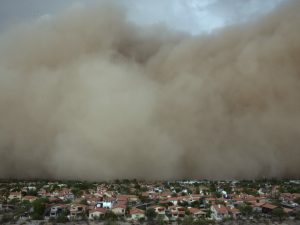
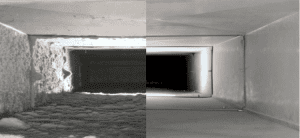
Utah is a desert and while most of it is not the sandy kind, there’s still a lot of dry dust out there blowing on the wind. You probably don’t think that much about it, but as air duct cleaners, we encounter it all the time. We’ve had jobs where homeowners have cleaned every surface of their house twice after a dust storm, but the dust keeps coming back. Where is it coming from? From a place they don’t ever look at because it’s always out of sight: the air ducts. Thick, packed layers of red-tinted dust from years of dust storms in the ducts, settled until the air conditioner runs and spreads it throughout the house.
Why Is Dust A Problem?
Dust is annoying, sure, but what’s the harm? If that’s what you’re asking, then you obviously don’t have allergies, because anyone with allergies knows what a little dust can do. Now imagine what a lot of it does. Utah’s Department of Environmental Quality has been studying the effects of dust storms in Utah. They’ve found that most dust is between 2.5 and 10 microns, which is easily inhaled into your lungs. The really fine dust can get deep into your respiratory system and stick there, causing breathing problems. These problems are worsened if you have allergies or respiratory infections/diseases.
Because some dust contains heavy metals used in various industries across the state (cobalt, cadmium, copper, etc.), dust storms can be hazardous to anyone’s health and the state advises everyone to stay inside during dust storms.
 But What About Your Ducts?
Staying inside is good, but perhaps you’ve noticed that even doing so, you feel a lot more sick after the dust storm. If you’re still coughing and sneezing for days after everything settles, then it’s likely that your air ducts have got some of that dust in them. Modern air ducts will usually have filters on them to keep dust out, but there are a lot of really old homes in Utah, so that’s not always the case and even the best filters can fail if they aren’t regularly cleaned and replaced.
If the dust gets inside your air ducts, it won’t matter how much you clean the surfaces in your home, it will keep coming back as long as there’s still dust inside the ducts and your HVAC system will spread that dust to every room in your house. This is why it’s important to replace your filters regularly. How often you change the filters depends on the size and type and it should be stated on the packaging. If you need to change filters more often than recommended, it’s a sign your air ducts have dust in them and it’s time to have them cleaned out.
Can You Prevent the Dust From Getting In?
They say a pinch of prevention is worth a pound of cure, but can you actually stop the dust from getting in? Well, if your home is newer and has good quality filters on its air ducts, that definitely goes a long way. Just remember that filters need to be replaced, as they can only hold so much. Once they get too full, dust will just begin slipping through. It also will help to make sure your air ducts are properly sealed.
If you’re in an older home, check all the weather stripping of your home, especially around doors, including the garage door. Examine the caulking around exterior windows and look for other places dust could get in; any gaps around doors, windows, and ventilation is a way for dust to get into your home. It might also be worth it to upgrade your HVAC so that it’s compatible with modern filters. You’ll most likely be able to upgrade to heavy-duty HEPA filters without replacing the whole system. Otherwise, you’ll have to do extra work cleaning up after dust storms. In both cases, you can reduce the impact by maintaining proper humidity, as dust stays airborne for longer when it’s dry. This can be hard in Utah, and may only be viable in certain areas with more water to spare, but it’s worth considering. Air purifiers can also help, as does keeping the area around your home cleaned as much as possible.
 Professional Air Duct Cleaning Will Remove That Dust
The EPA suggests professional air duct cleaning as a solution when breathing problems and allergies persist more than a week beyond any dust storm. To make sure you’re getting the job done, they also recommend that you hire a company that can use a camera to check the duct work during and after cleaning to make sure everything has been removed. This is also a good way to detect mold. Mold spores are often kicked up in dust storms as well and can infiltrate a home through your ducts that way.
Proper duct cleaning normally only needs to be done once every 3-5 years, but with the dangers of dust storms filling your ducts with fine particles that may contain heavy metals, it’s best not to take chances. If there’s a major dust storm in your area and your house is old and lacks a modern HVAC and duct system, don’t hesitate to call in professional cleaners to remove the dust from your ducts. If your house has all the modern filters on its HVAC, then you may not need it for a single storm, but if you have multiple storms in a short span of time, you might want to call in some professional help.
If it’s been more than three years since you’ve had your air ducts cleaned, it might be time to give us a call and get a thorough cleaning scheduled.
0 Comments